Stumps Ground to Depth You Specify
Stump Grinding in Pueblo for fast mechanical clearing to resolve HOA violations and prepare landscaping or mowing areas
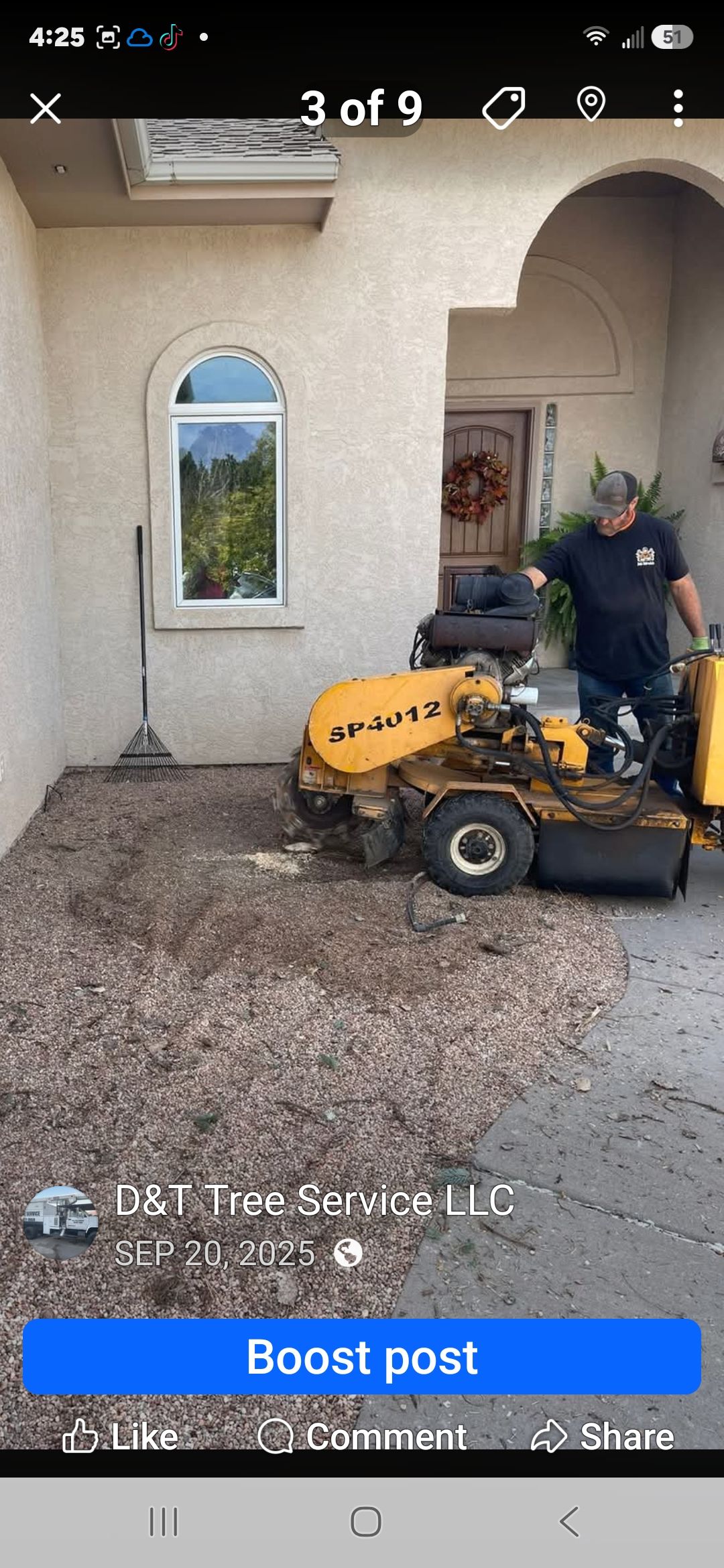
HOA-governed subdivisions in Pueblo West cite visible stumps as compliance violations, and Highland Park and Belmont lawn-replacement projects often stall when stumps block mowing paths or landscaping plans. Grinding removes the stump mechanically by cutting it below grade with a rotating carbide wheel, which clears the surface quickly without the soil disturbance that full extraction requires. D&T Tree Service grinds stumps to depths calibrated to the end use, whether that's replanting turf, pouring concrete, or simply clearing the surface for mowing and aesthetic compliance.
The grinder cuts the stump in passes, starting at grade level and working downward until the stump is reduced to chips below the soil line. Grinding depth is adjusted based on what you're planning for the cleared area—turf replanting typically requires six to eight inches below grade, while concrete or pavers need deeper grinding to prevent settling. This depth customization prevents callbacks and ensures the ground remains stable after grinding is complete.
Arrange a grinding estimate to specify the depth required for your project and confirm turnaround timing for HOA or landscaping deadlines.
How Grinding Depth Affects Final Use
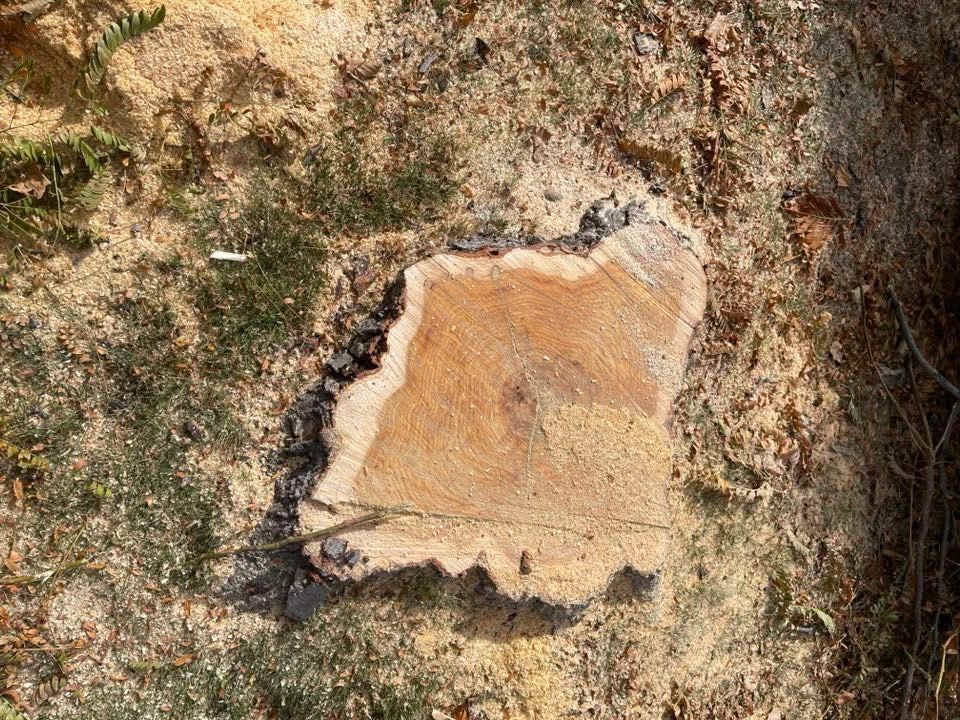
Shallow grinding removes the stump to just below grade, which clears the surface for mowing and eliminates the tripping hazard but leaves root mass intact underground. This approach works for areas that will remain lawn or mulch beds where roots decompose naturally over time. Deeper grinding removes more of the root flare and upper lateral roots, which is necessary when pouring concrete, installing pavers, or replanting in the same location.
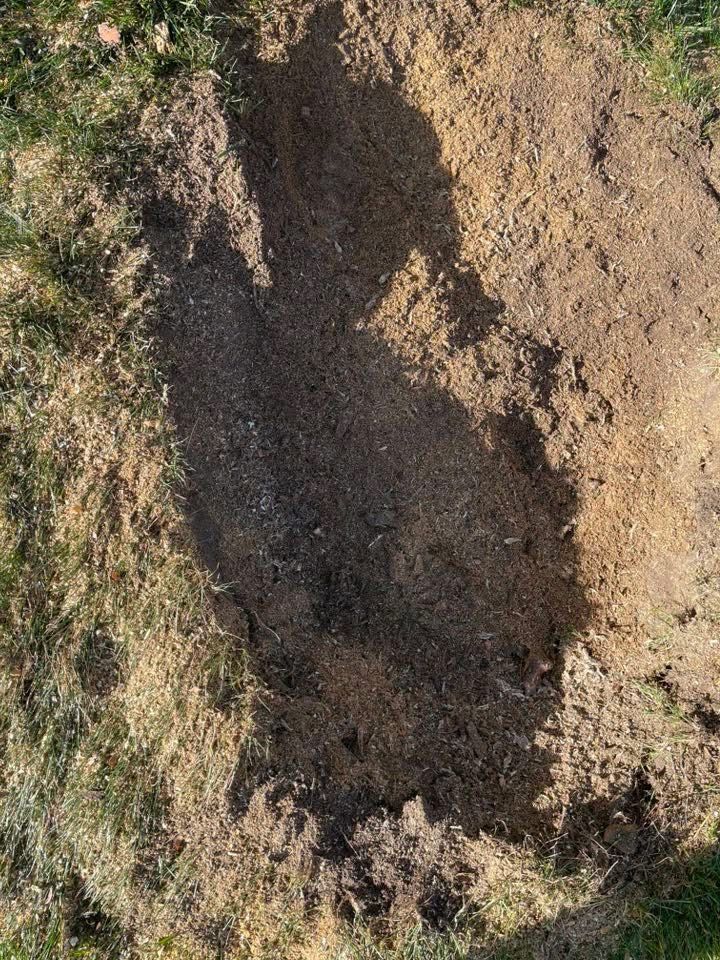
After grinding, the stump is gone and replaced with a pile of wood chips that can be removed or spread as mulch depending on your preference. The ground settles slightly as the remaining roots decompose, so backfilling with soil and compacting before replanting turf prevents low spots from forming later. You'll notice the surface is clear, mowing is unobstructed, and HOA compliance issues are resolved immediately.
Grinding does not remove the root system completely, so some species may send up suckers from remaining roots. This is less common with most species but can occur with aggressive spreaders like cottonwood and elm. If regrowth is a concern, full extraction is the alternative.
Questions Before Starting Your Project
Stump grinding raises practical questions about timing, depth, and what happens to the chips and remaining roots. The following answers address the most common concerns from Pueblo property owners.
How deep does the grinder go to prepare for replanting turf?
Turf replanting typically requires grinding six to eight inches below grade so roots have room to establish without hitting decomposing wood. Deeper grinding is necessary for concrete, pavers, or new construction where settling cannot be tolerated.
What happens to the wood chips after grinding?
The chips remain on-site in a pile unless you request removal. They can be spread as mulch, mixed into soil as organic matter, or hauled away depending on your landscaping plans.
Does grinding remove the roots completely?
Grinding removes the stump and upper root flare but leaves lateral roots intact underground. Those roots decompose over time, but they remain in place and can occasionally send up suckers depending on the species.
How long does stump grinding take on a typical Pueblo residential lot?
Most single stumps are ground in under an hour, though larger stumps or multiple stumps on the same property take longer. Turnaround is fast enough to resolve HOA violations and landscaping prep within a single visit.
Can stumps be ground near fences, sidewalks, or structures?
Grinding equipment can work in tight spaces as long as there's access for the grinder, which fits through most residential gates. The crew protects adjacent structures and hardscaping during grinding to prevent damage from flying chips.
D&T Tree Service customizes grinding depth based on what you're planning for the cleared space, so the result matches your project needs rather than a one-size approach. Contact the crew at (719) 877-1668 to schedule grinding and specify the depth required for your landscaping or compliance deadline.