Clearing Overgrowth Before Fire Season Arrives
Brush Clean Up in Pueblo for code compliance, and defensible space clearing
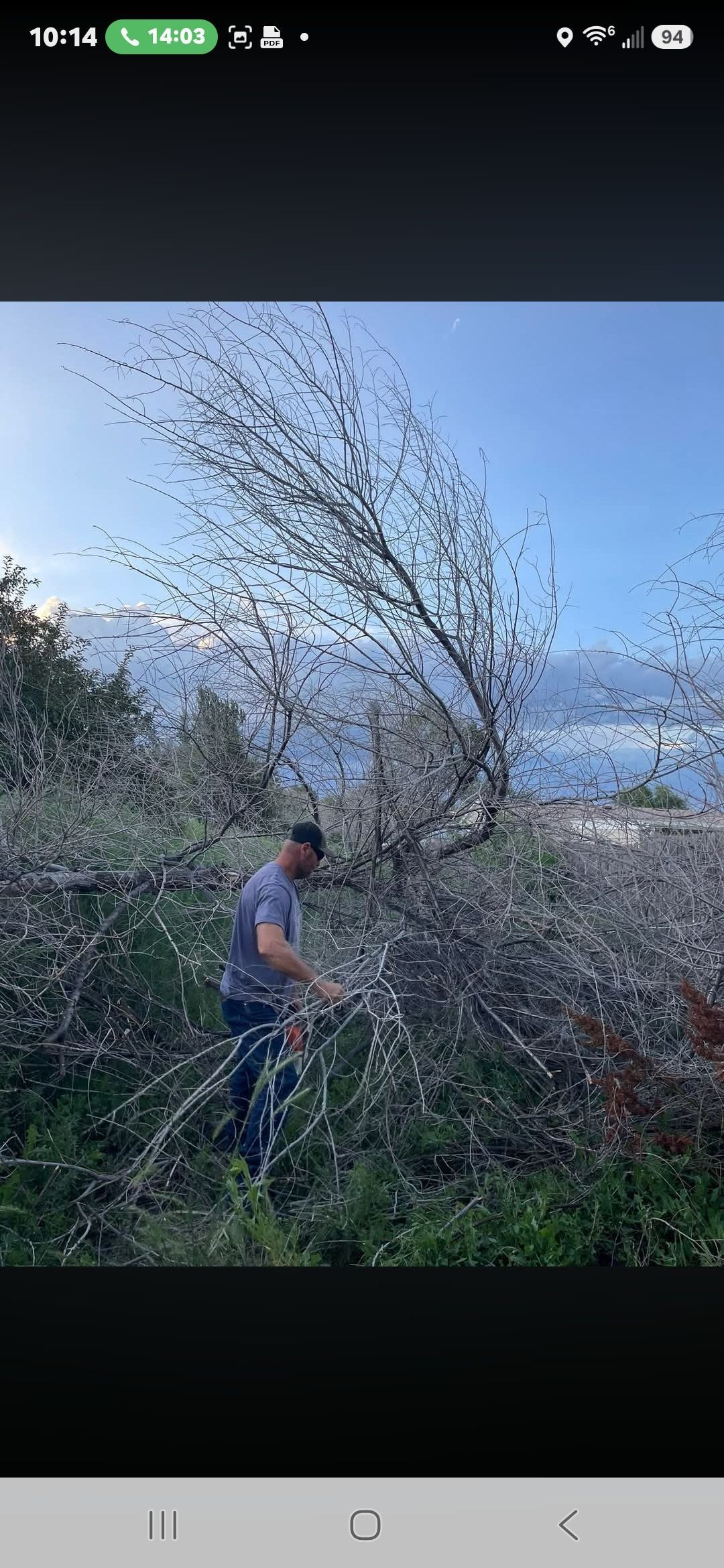
Overgrown brush on residential lots in Pueblo creates defensible-space violations and fire-season risk, especially on rural-edge parcels in Pueblo West and overgrown fence lines on the East Side and South Side. Colorado fire code requires specific buffer zones between structures and vegetative fuel, and municipal code enforcement issues compliance notices when brush density exceeds those thresholds. D&T Tree Service clearing maintains required defensible space buffers per Colorado guidelines while removing dead material, invasive species, and accumulated debris that accelerate fire spread.
The clearing process removes surface fuels within required distances from structures, cuts back dense shrub growth that creates ladder fuel to tree canopies, and eliminates dead vegetation that ignites first during wildfire conditions. Brush clearing calibrated to Colorado fire code is not the same as aesthetic tidying—it addresses fuel load, spacing, and ignition pathways based on documented fire behavior, not just visual preference.
Request a site evaluation to identify defensible space requirements and prioritize clearing areas depending on brush density.
Why Fire-Code Compliance Requires Specific Clearing
Brush clean up follows Colorado's defensible space zones, with Zone 1 extending fifteen feet from structures and requiring removal of all flammable vegetation, and Zone 2 extending an additional seventy-five feet with thinning and spacing requirements based on slope and vegetation type. Crews cut brush to ground level, remove dead material and slash, and thin remaining vegetation to reduce continuous fuel beds that allow fire to move from ground cover into tree crowns.
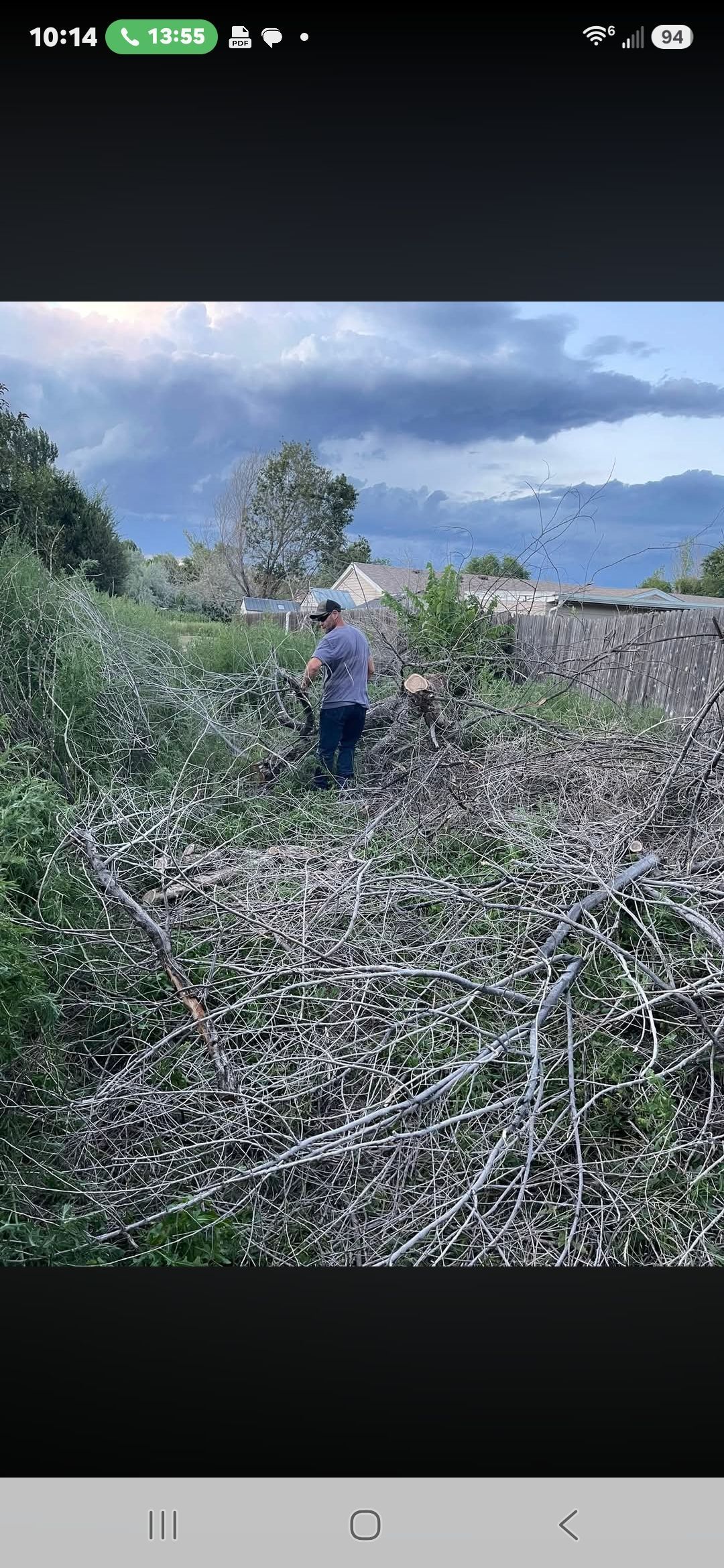
After clearing, you will see open ground around structures where brush previously grew against foundations and walls, spaced shrubs and trees that no longer form continuous canopy, and removal of dead limbs and surface debris that would ignite during ember storms. The visual change is significant—properties go from overgrown and enclosed to open and defensible, with clear sight lines and reduced fuel load.
Disposal method varies based on project scale and site access: smaller loads are hauled away for off-site disposal, while larger rural clearing projects may involve on-site chipping or staged removal depending on access and volume. Fire-season timing matters—clearing before dry conditions arrive prevents spark risk during the work itself and ensures compliance before enforcement sweeps begin.
Common Questions About Brush Clearing and Fire Safety
Property owners facing overgrown brush in Pueblo often ask about fire code requirements, disposal logistics, and the difference between aesthetic trimming and defensible space clearing.
How far from my house does brush need to be cleared for fire code compliance in Pueblo?
Colorado requires a minimum fifteen-foot Zone 1 with all flammable vegetation removed, and an additional seventy-five-foot Zone 2 with thinning and spacing based on slope, though local ordinances in Pueblo and Pueblo West may impose stricter requirements depending on fire district.
Can I handle brush clearing myself or does it require a tree service crew?
Small-scale trimming is manageable for most property owners, but code-compliant clearing on rural parcels or heavily overgrown lots requires equipment for cutting dense growth, hauling volume debris, and accessing steep or uneven terrain safely.
What happens to the brush after it is cleared from my property?
Depending on volume and access, brush is either hauled away for off-site disposal, chipped on-site for mulch or removal, or staged for pickup, with method determined by project size and whether disposal equipment can reach the work area.
D&T Tree Service clears brush with Colorado fire code in mind, not just visual improvement, and prioritizes high-risk areas where fuel density threatens structures during wildfire conditions. Arrange a site visit to assess defensible space requirements and schedule clearing before fire season enforcement and dry conditions arrive.